
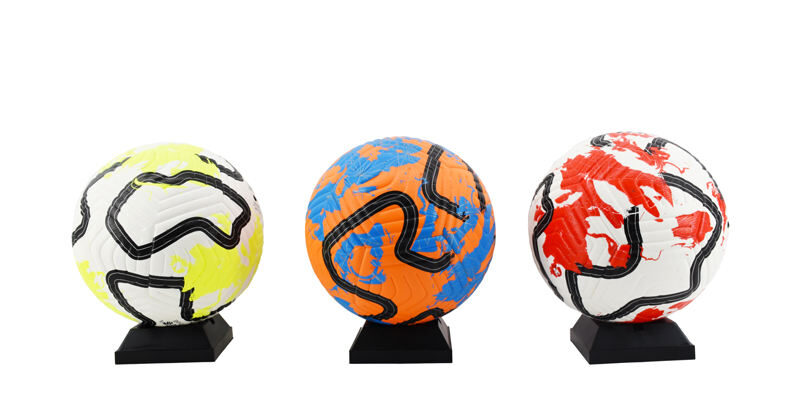
⚙️ Introduction: The Hidden Engineering Behind Every Kick
Behind every precise pass or powerful shot lies an intricate combination of materials and design. A match-quality football isn’t just about appearance — it’s a technical achievement of panel layout, lining layers, and bladder construction that work in harmony to ensure accuracy, control, and durability.
Partnering with reliable Match Footballs Manufacturers allows brands to access proven designs tested for aerodynamics, sphericity, and energy rebound — all essential for professional-level games.
🧩 The Multi-Layered Lining System
At the heart of a premium football is the lining structure, usually consisting of three to four layers of cotton and polyester fabric. These layers give the ball its strength, shape retention, and responsiveness.
-
Cotton lining adds softness and flexibility.
-
Polyester lining enhances tension and durability.
-
Foam backing (EVA or PE) provides cushioning for better control.
Each lining layer is laminated under controlled heat and pressure, ensuring consistent performance even under high-impact or wet conditions. The balance between softness and resilience is what separates a training ball from a true match-grade model.
💨 The Bladder — Core of Air Retention
The bladder is the engine of the ball, maintaining air pressure and bounce characteristics. There are two main types:
| Bladder Type | Material | Key Benefits |
|---|---|---|
| Butyl Bladder | Butyl rubber | Excellent air retention (up to 4 weeks) |
| Latex Bladder | Natural rubber | Softer feel and dynamic rebound |
Professional leagues often prefer latex bladders for their natural response and quick touch feedback, while butyl bladders dominate training and promotional models due to their low maintenance.
To achieve superior performance consistency, most Football Manufacturers use high-precision bladder molds and automated inflation testing, ensuring uniform pressure distribution across every unit.
🔶 Panel Design & Bonding Precision
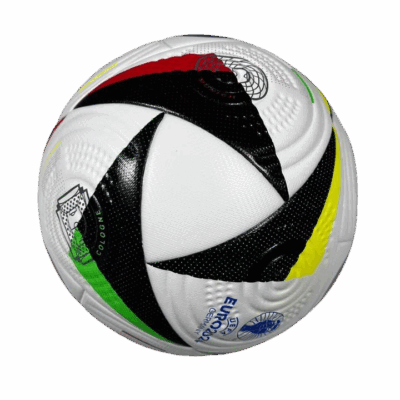
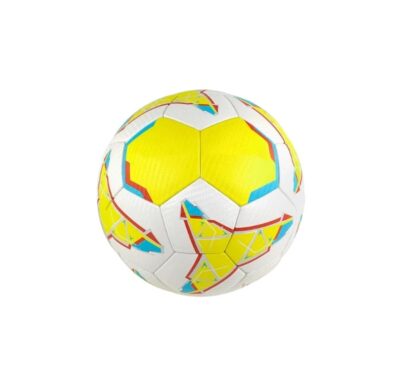
Panel design determines aerodynamics and spin control. Traditional balls have 32 hexagonal panels, while modern ones experiment with 12 or 14 fused shapes for reduced seam drag and better flight stability.
Hand-stitched panels remain popular for flexible play, while thermo-bonded panels eliminate thread friction, maintaining perfect sphericity. High-end match balls use laser-cut seams and bonded adhesives to minimize air turbulence and enhance flight predictability.
Engineers also adjust panel curvature to fine-tune lift, giving players better control over curve shots and passes.
🧠 Engineering Insights for OEM Brands
When designing your own football line, it’s critical to align performance goals with component specs:
-
Match balls → 4-layer lining, latex bladder, thermo-bonded seams
-
Training balls → 3-layer lining, butyl bladder, hand-stitched seams
-
Promotional balls → 2-layer lining, laminated cover, simplified seams
These configurations directly influence cost, certification eligibility, and end-user satisfaction. OEM buyers should always validate new models through field testing and AQL quality inspections before bulk production.
🏁 Conclusion
The structure of a match football is a perfect blend of science and craftsmanship. From inner layers to outer seams, every detail determines the ball’s flight, touch, and longevity. By working closely with specialized manufacturers, your brand can develop customized models that deliver true professional performance while staying competitive in pricing and innovation.