
🏁 Introduction: When Design Meets Performance
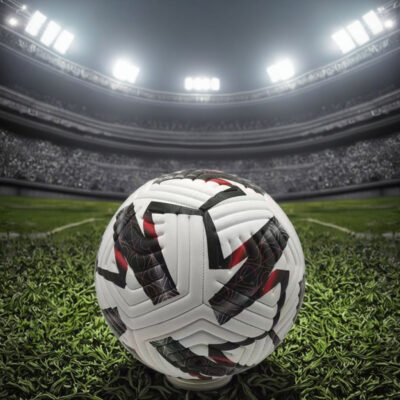
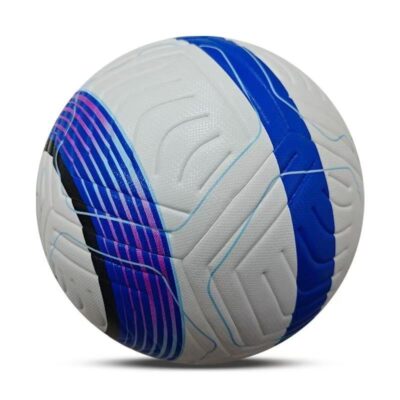
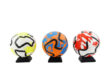
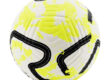
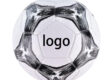
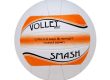
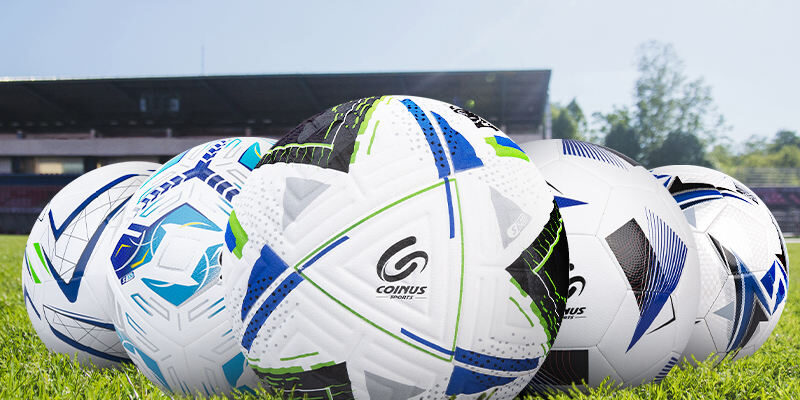
A football isn’t just equipment — it’s a mobile advertisement for your brand. The design, color scheme, and logo placement determine how players and spectators perceive your company. That’s why printing quality and surface finish are just as important as the ball’s performance specs.
Whether you’re developing a club line or a promotional campaign, collaborating with experienced Custom Football Manufacturers helps you achieve high-precision printing that maintains clarity and adhesion even under rough play conditions.
🖨️ Popular Printing Methods in Football Manufacturing
Different printing technologies can drastically affect how long your logo lasts and how vibrant it looks. Here are the most widely used processes:
-
Silk Screen Printing
-
Ideal for simple logos and limited color palettes.
-
Inks penetrate deeper into the surface, providing good wear resistance.
-
Suitable for hand-stitched balls or textured TPU covers.
-
-
Heat Transfer Printing
-
Uses heat and pressure to apply artwork films onto smooth PU or TPU panels.
-
Excellent for complex, multi-color logos and gradients.
-
Preferred for professional or match-grade footballs due to fine detail capability.
-
-
Pad Printing (Tampo)
-
Used for curved or uneven surfaces where traditional screen printing isn’t possible.
-
Great for small promotional balls or mini replicas.
-
-
Digital UV Printing
-
Advanced, non-contact printing with photopolymerized inks.
-
Offers unmatched color richness and durability but requires smoother panels.
-
🧩 Choosing the Right Printing Technique
Your choice depends on design complexity, ball surface texture, and order scale:
| Printing Type | Best For | Durability | MOQ Suitability |
|---|---|---|---|
| Silk Screen | Simple logos | ★★★★☆ | Low to medium |
| Heat Transfer | Multi-color designs | ★★★★★ | Medium to high |
| Pad Printing | Mini balls | ★★★☆☆ | Flexible |
| UV Printing | Premium series | ★★★★★ | Medium |
If your brand focuses on long-lasting, multi-color graphics with retail appeal, heat transfer or UV printing are the go-to solutions. For bulk giveaways or training products, silk screen remains cost-effective and reliable.
💡 Branding Tips for OEM Projects
-
Keep contrast high between logo and panel color to improve visibility on the field.
-
Always request Pantone color matching during sampling to ensure consistency across batches.
-
Use protective coatings (matte or glossy) to guard artwork against abrasion.
-
Opt for micro-textured panels to improve ink adhesion on TPU surfaces.
A well-designed football can extend brand recall far beyond a single event or season.
For wholesalers and distributors, browsing the diverse collections at Footballs Wholesale provides cost-efficient options to match different market segments — from professional use to promotional campaigns.
🔬 Testing Logo Durability
Professional factories test printed panels through:
-
Abrasion cycles (up to 5,000 rubs) to check ink resistance
-
UV light exposure for color fastness
-
Sweat and humidity simulation to ensure no color migration
-
Drop and inflation tests to confirm logo stability under deformation
These tests ensure your footballs retain their visual appeal and branding integrity, even after months of intense use.
🏆 Conclusion
Effective football branding blends creative design with durable printing technology. Choosing the right process early in production can drastically improve both brand visibility and customer satisfaction.
By working with skilled manufacturers, you gain full control over color accuracy, logo positioning, and finishing — turning every match ball into a marketing ambassador for your business.